If you’re thinking about moving to Greensboro, or you already live here and you’re trying to make sense of where your money actually goes, let me walk you through it to help you make better decisions.
It’s one thing to read it on other blogs, it’s another to read from someone who lives here.
In this piece, I’ll let you in on major things such as rent, utilities, food, transportation, and the small costs people forget to plan for.
By the end of this article, you would have been provided with so much vital information making a decision would come easy for you.
Okay, enough talk, let’s get right into it.
Let’s Start With the Big One: Housing
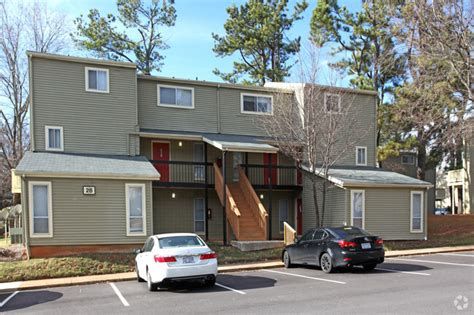
Housing is where most people either fall in love with Greensboro or decide it’s not for them.
I’ll say this upfront: Greensboro is still affordable compared to many U.S. cities, but it’s no longer “cheap” the way people sometimes expect.
Renting in Greensboro
If you’re renting, here’s what you’ll realistically see:
- One-bedroom apartment: You’re typically looking at a mid-range price depending on the area. Older complexes and less central neighborhoods cost less, while newer apartments near downtown or major corridors cost more. A typical one-bedroom near the city center costs between $1390 – $2000. Ones outside city center costs $1000 – $1400
- Two-bedroom apartment: If you have a full family, this is probably the best choice for you for the simple reason of conveniently accommodating every member of your family.
A typical two-bedroom costs roughly between $1500 – $3500.
- Whole houses for rent: Single-family rentals are popular here, especially with families and remote workers. Prices vary widely based on neighborhood and condition.
From my experience, location matters more than size in Greensboro. A smaller place near downtown, Friendly Center, or major roads can cost more than a bigger place farther out.
If you’re budget-conscious, you can find something reasonable. But you’ll need to move fast and be flexible.
Utilities: The Quiet Monthly Drain
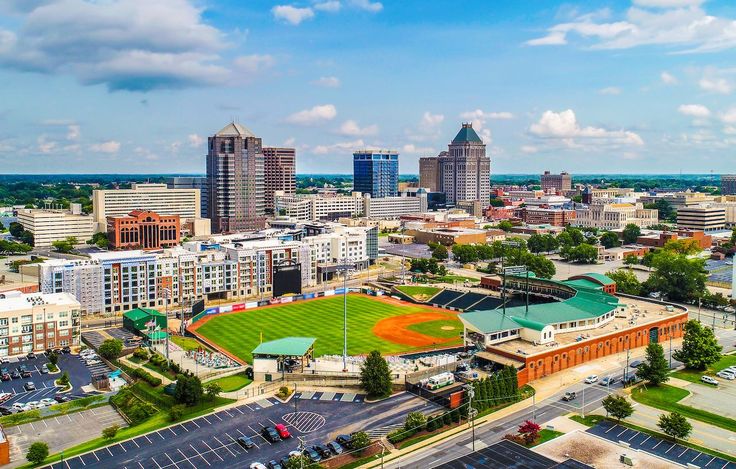
Utilities in Greensboro are manageable, but they creep up on you if you’re not paying attention.
Electricity
Electric bills fluctuate with the seasons. Summers can sting because of air conditioning, while winters are more forgiving unless you rely heavily on electric heating.
On average: utility costs $130 – $250.
However, here’s what should know:
- Smaller apartments cost less.
- Older homes with poor insulation cost more.
- Keeping the thermostat reasonable makes a real difference here.
Water, Sewer, and Trash
If you’re renting, some complexes bundle these costs. If you’re in a house, expect a separate bill. It’s not outrageous, but it’s consistent.
The charges for these vary but on average, each one costs between $15 – $150
Internet and Phone
You’ll have multiple providers to choose from. Prices are competitive, but don’t assume the cheapest plan will give you reliable speed if you work from home. I’ve learned that lesson the hard way.
That said, on average, internet costs you between $60 – $150
What About Groceries?
This is one area where Greensboro shines.
You don’t feel punished for buying groceries here.
- Major grocery chains are easy to find.
- Farmers markets and local stores offer affordable fresh options.
- Specialty items cost more, but that’s true everywhere.
If you cook most of your meals, your food budget stays reasonable. Eating out regularly is where things add up fast, not grocery shopping itself.
Eating Out and Entertainment

Greensboro has a solid food scene, and that’s both a blessing and a temptation.
Dining Out
- Casual meals are affordable.
- Local spots offer good value for the quality.
- Upscale dining exists but doesn’t dominate the city.
You can enjoy meals out without feeling like you’re blowing your budget every time as long as it’s not every day.
Entertainment
This is where Greensboro quietly saves you money.
- Parks and greenways are free.
- Community events are frequent and low-cost.
- Local shows, sports, and festivals are usually affordable.
You don’t need a big entertainment budget to enjoy life here.
Let’s Look at Transport
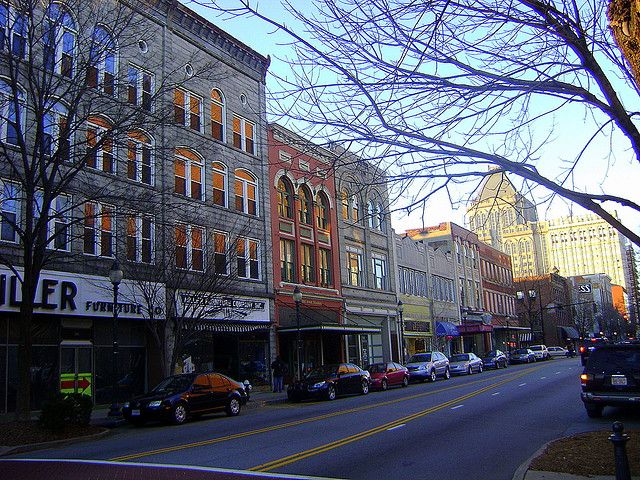
Greensboro is very much a driving city, therefore, the most used form of transport is cars.
Gas and Maintenance
You’ll spend money on gas, but commutes are generally manageable unless you’re crossing the city daily during peak hours.
Car insurance rates are reasonable compared to larger metro areas. Maintenance costs depend on how much you drive, but nothing feels unusually high.
Public Transportation
It exists, but most people still rely on cars. If you don’t drive, your housing choices matter a lot more.
Healthcare and Insurance Costs
Healthcare access in Greensboro is solid, with multiple hospitals and clinics. Costs depend heavily on your insurance, but availability isn’t an issue.
Routine care feels accessible. Specialized care may require planning, but it’s not a constant struggle.
Childcare and Education (If This Applies to You)
This is one area where costs can climb quickly.
- Childcare can be expensive, especially for full-time care.
- Public schools vary by district.
- Private and charter options exist at higher costs.
If you have kids, your neighborhood choice directly affects your expenses here.
The Small Costs People Forget
This is the part most articles skip, but it matters.
- Parking fees downtown.
- HOA fees in some neighborhoods.
- Seasonal costs like lawn care or pest control.
- Home maintenance if you own.
Individually, these don’t look big. Together, they add up.
So Is Greensboro Affordable or Not?
Here’s my honest answer.
Greensboro is affordable if you live intentionally.
You can absolutely live comfortably here on a reasonable income. You can rent, eat well, enjoy your weekends, and still save money. But you can also overspend if you assume everything is cheap and stop paying attention.
The city rewards:
- Smart housing choices.
- Cooking more often.
- Moderate entertainment spending.
- Planning instead of impulse decisions.
If you’re coming from a larger metro, Greensboro will likely feel like a relief. If you’re coming from a very small town, it may feel more expensive but also more livable.
Conclusion
Living in Greensboro doesn’t feel financially stressful if you understand the real costs upfront.
I’ve seen people thrive here because they matched their lifestyle to the city instead of fighting it. If you do that, you’ll find Greensboro to be a place where your money actually stretches.
And that, more than any statistic, is what really matters.