
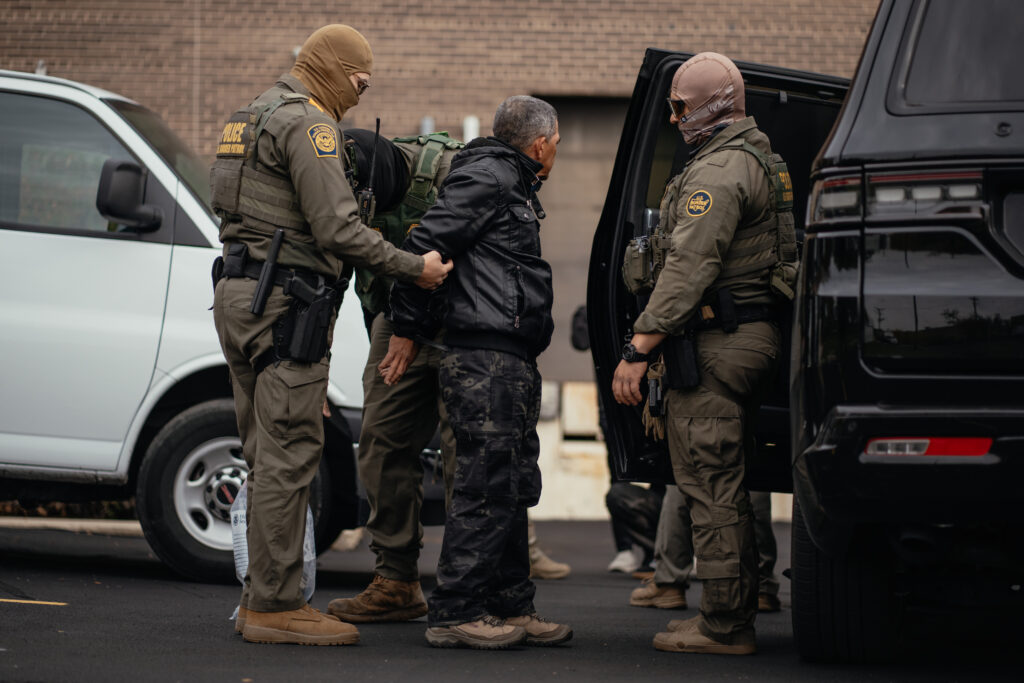
GREENSBORO, N.C. — A wave of confusion is sweeping across central North Carolina as federal immigration enforcement intensifies. From Raleigh to Durham, families, teachers, and local leaders are scrambling for clarity, asking: Can Border Patrol detain someone in North Carolina without a warrant?
It’s a question echoing through schools, workplaces, and community centers — and the answer, at least for now, is unsettling.
Immigration Tensions Rise Across Central NC
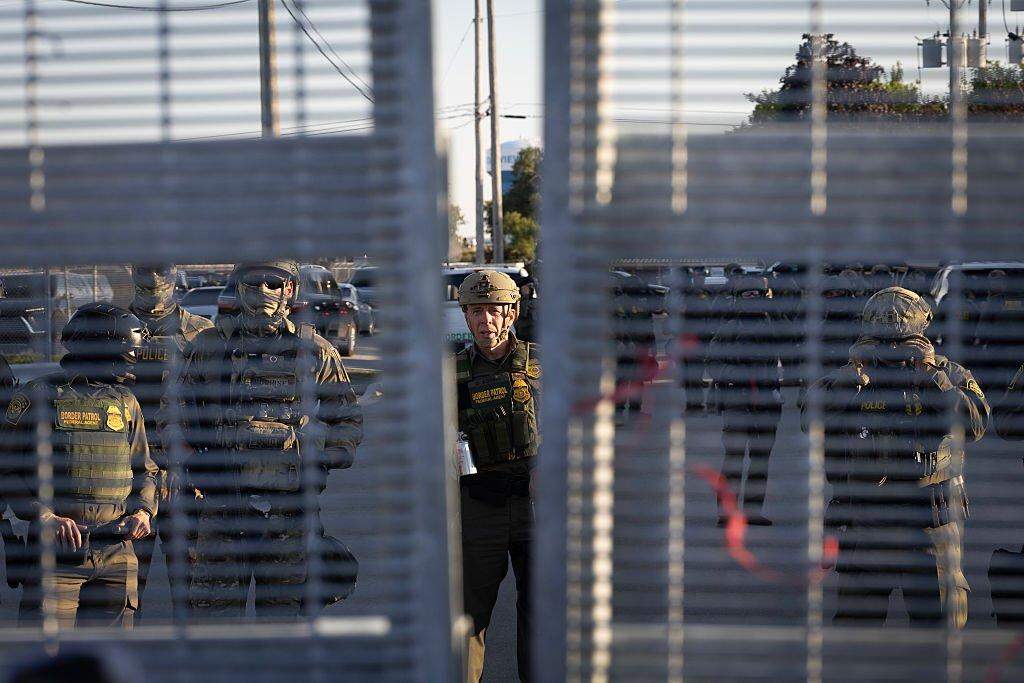
In Raleigh, the sudden surge of U.S. Customs and Border Patrol agents has rattled neighborhoods. Wake County Public Schools Superintendent Robert Taylor publicly voiced support for worried families, acknowledging the fear gripping immigrant communities.
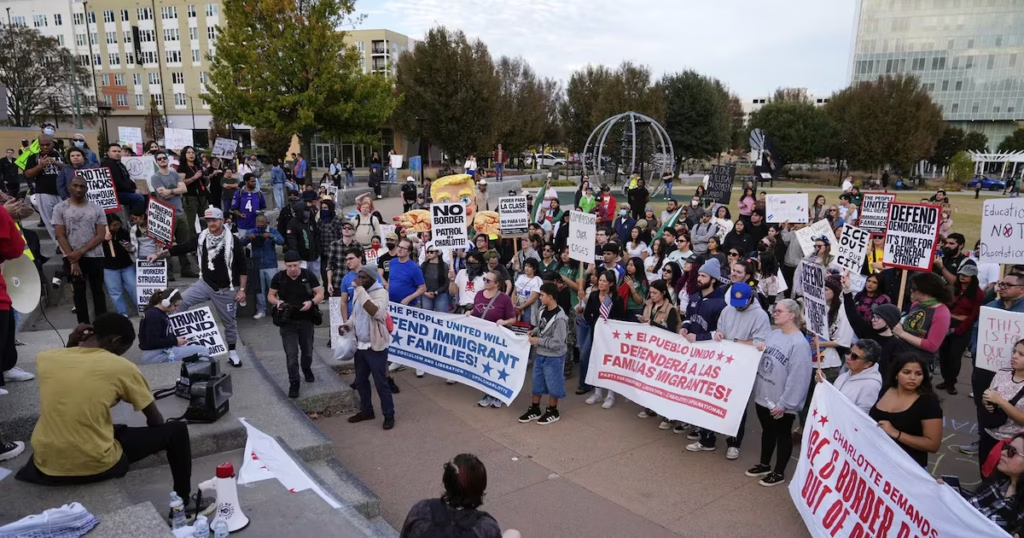
In Durham, elected leaders urged unity as detainments increased. Activists spent Tuesday trailing immigration agents, warning residents in real time where enforcement operations were unfolding.
These heightened anxieties aren’t happening in a vacuum — they’re tied to broader national enforcement changes.
What Border Patrol Can Legally Do
Under the Trump administration’s enforcement expansion, immigration officers dramatically increased detainments nationwide. Pushback emerged from sanctuary cities like Los Angeles, sparking court battles over what “reasonable suspicion” truly means.
The California Ruling That Shook the Debate
Over the summer, U.S. District Judge Maame Ewusi-Mensah Frimpong ruled that immigration agents in California could not stop individuals without reasonable suspicion of unlawful status.
She explicitly stated that reasonable suspicion cannot be based on:
- Speaking Spanish
- Speaking English with an accent
- Standing in places where day laborers gather
- Being near locations frequented by undocumented immigrants
The Department of Justice appealed — and lost. The Ninth Circuit Court of Appeals did not fully overturn her order.
So the DOJ went to the Supreme Court.
Why the Supreme Court Paused the Protections
The U.S. Supreme Court temporarily paused Judge Frimpong’s ruling while the case continues. This pause means that, legally, federal agents may detain individuals based on reasonable suspicion of violating immigration laws.
And that legal framework applies everywhere — including North Carolina.
What Justice Brett Kavanaugh Said
In a written opinion supporting the pause, Justice Brett Kavanaugh emphasized that reasonable suspicion depends on the “totality of the circumstances.”
He further stated that given an estimated 15 million undocumented immigrants living in the U.S., it is not unusual for agents to conduct brief investigative stops of individuals who:
- Gather at day-labor locations
- Work in or appear associated with industries such as:
- construction
- landscaping
- agriculture
- car washing
- Speak little or no English
These statements have generated both alarm and outrage among many immigrant families and civil rights advocates.
Detainment vs. Arrest: A Critical Difference
One of the most misunderstood aspects of immigration law is the gap between Detainment & Arrest.
According to the Hancock Law Firm in Beaufort:
- Detainment = short, investigative, information-gathering interaction
- Arrest = law enforcement believes there is enough evidence to charge someone with a crime
And here is where the Fourth Amendment comes into play.
What the Fourth Amendment Protects
The Fourth Amendment prevents arrests without a warrant supported by probable cause.
What It Does Not Protect
It does not protect against detainments — meaning officers can briefly detain individuals based on reasonable suspicion, even without a warrant.
This distinction is now at the center of North Carolina’s current fear and confusion.
Community Response Across North Carolina
Immigrant families in Raleigh describe the atmosphere as heavy — a sense that at any moment, a routine errand might turn into a confrontation with federal agents.
In Durham, residents took direct action. Volunteers formed informal networks, following enforcement caravans and using social media to warn neighborhoods. The goal wasn’t to interfere, but to protect vulnerable individuals from being caught unaware
In conclusion
North Carolina finds itself in a moment of deep tension as immigration enforcement intensifies. While the courts sort out the future of Judge Frimpong’s ruling, immigrant communities must navigate a landscape where Border Patrol can detain individuals without a warrant.
Connect With Us